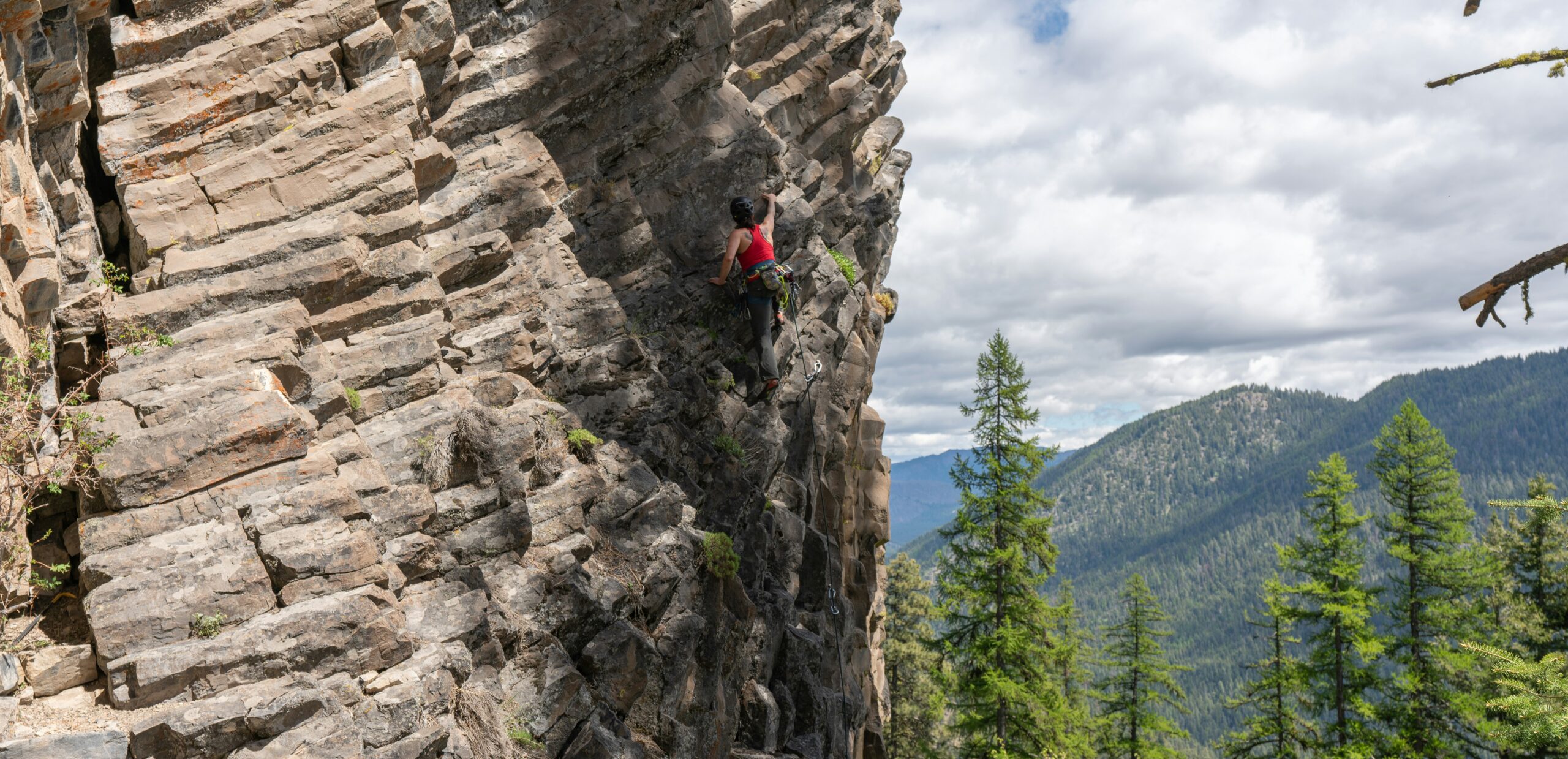
Indoor rock climbing has become one of the most popular ways to stay active while safely embracing adventure. With climbing gyms popping up in cities around the country, people from all walks of life are discovering the thrill of scaling walls, testing limits, and pushing both physical and mental boundaries. Unlike traditional workouts, climbing challenges the body and mind simultaneously, offering a unique blend of fitness, strategy, and exhilaration that keeps enthusiasts returning time and again.
Challenging the Body
Indoor rock climbing provides a full-body workout that few other activities can match. Every climb engages the core, strengthens the arms and shoulders, and tests grip strength. Leg muscles play a crucial role in balance and propulsion, while careful footwork improves coordination and stability. Unlike gym machines, climbing requires functional strength that translates directly into everyday movements. Over time, participants notice improved endurance, agility, and flexibility. This combination of strength and movement makes indoor climbing both effective and enjoyable for fitness enthusiasts of all levels.
Sharpening the Mind
Physical effort is only part of the appeal. Indoor climbing demands focus, critical thinking, and problem-solving skills. Each route presents a puzzle of holds, angles, and sequences that require careful planning. Climbers must anticipate their next moves, adjust quickly when strategies fail, and continuously evaluate their approach. This constant mental engagement strengthens concentration and decision-making abilities. In addition, analyzing routes and overcoming obstacles encourages patience and resilience, teaching climbers to approach challenges methodically, both on and off the wall.
Confronting Fear and Building Confidence
For many climbers, indoor walls offer the first opportunity to face their fears safely. Heights and exposure can be intimidating, but structured gym environments provide the necessary support and equipment to manage risk. As participants climb, they develop trust in their own abilities and in the safety measures around them. Each successful ascent reinforces confidence, showing that persistence and preparation can overcome hesitation. This sense of achievement often extends into other areas of life, giving climbers the courage to tackle challenges outside the gym.
Connecting with a Community
Indoor climbing fosters a strong sense of community. Gyms bring together people who share a passion for the sport, creating spaces where climbers support and motivate one another. Partners often work together to belay, offer guidance, or encourage attempts at difficult routes. Celebrating successes and sharing challenges cultivates friendships and builds camaraderie. This social aspect makes climbing not just a physical activity but a shared experience that inspires collaboration, mentorship, and lasting relationships.
Inclusive and Accessible
Indoor climbing is approachable for individuals of all ages and skill levels. Gyms typically offer walls with varying levels of difficulty, allowing beginners to start confidently while enabling experienced climbers to test advanced techniques. Instructors provide guidance, safety training, and tips to help participants improve steadily. By making the sport accessible, gyms remove common barriers and allow more people to experience climbing safely. The inclusivity of indoor climbing ensures that anyone willing to challenge themselves can participate and grow.
Reducing Stress Through Focus
Indoor climbing also promotes mental well-being. The combination of physical exertion and mental concentration forces climbers to focus entirely on the task at hand. This engagement fosters a state of flow, where stress and outside concerns fade into the background. Regular climbing sessions provide both exercise and mindfulness, offering a natural way to relieve tension and clear the mind. Participants often leave the gym feeling energized, refreshed, and more centered than they did when they arrived.
Continuous Skill Development
The sport encourages continuous improvement. Climbers can explore new techniques, refine movements, and experiment with different climbing styles. Every new route presents a challenge that requires adaptation, perseverance, and creative problem-solving. This ongoing learning makes indoor climbing a dynamic and stimulating pursuit, where participants can consistently push their boundaries. With every session, climbers gain both physical skill and mental resilience, creating a rewarding cycle of growth.
Preparing for Outdoor Exploration
For those interested in outdoor climbing, indoor gyms serve as an essential training ground. Climbers develop strength, technique, and confidence in a controlled environment before facing natural rock formations. Skills learned indoors, such as route reading, grip management, and efficient movement, translate directly to outdoor climbing. Indoor practice reduces the risk of injury and lays the foundation for tackling more complex, unpredictable challenges safely.
Indoor rock climbing combines physical fitness, mental challenge, and personal growth into a single thrilling activity. Participants develop strength, endurance, and coordination while improving focus, problem-solving, and resilience. The sport provides a safe environment to confront fears, build confidence, and connect with a supportive community. Accessible and inclusive, indoor climbing offers opportunities for beginners and experts alike to push their limits and enjoy the satisfaction of conquering each route. Whether for exercise, adventure, or self-improvement, indoor climbing delivers a rewarding experience that encourages participants to scale new heights and embrace the excitement of vertical exploration.