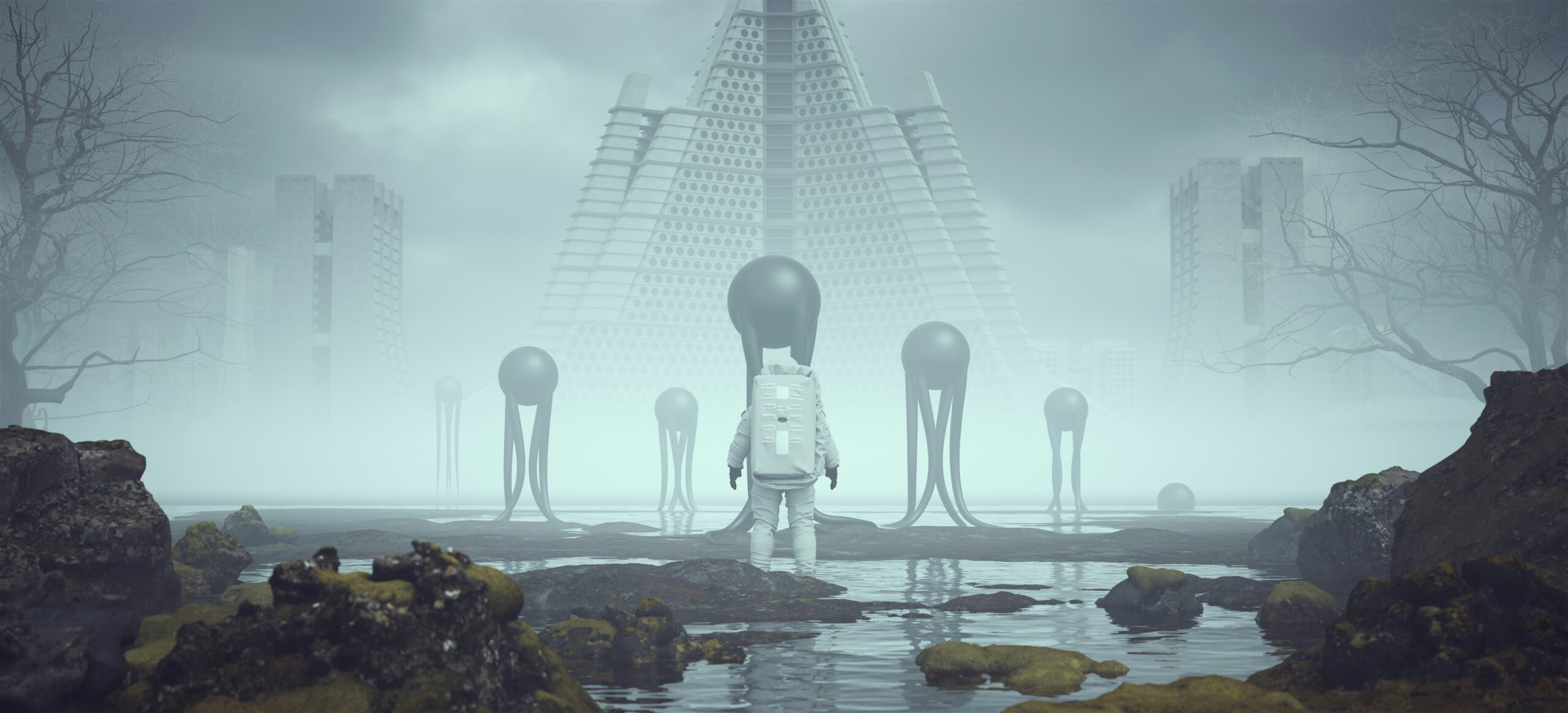
Science fiction has shaped how people dream, question, and explore the unknown, and it continues to grow as a powerful bridge between imagination and reality. From early myths to modern space sagas, the evolution of science fiction reflects the ways human curiosity shapes our understanding of time, technology, and possibility.
Early Foundations of Science Fiction
Early science fiction began with imagination that stretched beyond ordinary life. Writers looked at the sky, the seas, and the mysteries of nature and asked what might exist beyond them. Their ideas encouraged readers to think about strange lands, unusual creatures, and distant worlds. Even without modern tools, early creators used simple stories to express bold visions.
These early works introduced themes that later shaped the genre. Concepts such as alternate realities, artificial beings, and cosmic travel first appeared in dreams or as warnings. As a result, they invited people to explore ideas beyond the world they knew. These stories planted seeds that grew into a major literary movement.
Science Fiction in the Age of Discovery
During periods of scientific discovery, curiosity fueled new stories. Writers blended new inventions with imagination, creating fresh possibilities. As science changed the world, people grew excited about what might come next. Their excitement appeared clearly in stories that explored innovation and adventure.
Exploration of space, deep oceans, and undiscovered lands inspired authors to create vivid worlds. These stories evoked feelings of wonder and hope in readers. Science and storytelling strengthened each other, helping the genre grow even faster. This growth built a foundation for future breakthroughs.
The Rise of Modern Science Fiction
Modern science fiction began to expand during the twentieth century. New technologies changed daily life, and writers responded with visions of robots, computers, and advanced cities. These stories often reflected both excitement and fear about what humans might create. As societies changed quickly, science fiction helped people process those changes.
Movies, radio programs, and television increased the reach of science fiction. These platforms brought futuristic worlds into homes, and audiences became eager for more. Complex characters and emotional conflicts made the genre more relatable. Science fiction shifted from simple adventure to serious storytelling that explored real human questions.
Science Fiction and Social Commentary
Many writers saw science fiction as a tool for examining society. Through distant planets and future times, they explored issues such as freedom, equality, and ethics. This approach allowed readers to think deeply about social problems without feeling defensive. It offered a safe space for reflection, thereby increasing the genre’s cultural value.
Stories also explored the dangers of unchecked power, rapid technology growth, and misuse of knowledge. Although these tales took place in imagined worlds, they warned people about challenges they might face in real life. The result made sci-fi a powerful mirror of human behavior, inspiring change.
The Expansion of Space Exploration in Fiction
When real astronauts entered space, science fiction changed again. Authors imagined everything from peaceful space travel to dangerous alien encounters. As space missions continued, readers felt more connected to these stories. Sci-fi worlds seemed closer than ever before.
Writers explored themes of survival, discovery, and cooperation among species. These ideas helped readers understand the risks and rewards of exploring the cosmos. Many people found hope in these stories because they revealed that the desire to explore lives exists in every generation.
The Digital Age and Science Fiction’s Transformation
The rise of the internet and digital technology launched a new era for science fiction. Writers began to explore cyberspace, artificial intelligence, and virtual reality. These ideas changed how people viewed identity, privacy, and community. Digital themes grew fresh storylines that shaped the modern genre.
Sci-fi also started to reflect daily digital life. Phones, computers, and smart devices influenced how people imagined future societies. Stories questioned how far technology should go and how much control it should have. These questions remain important today as digital influence grows stronger.
Diversity and New Voices in Science Fiction
More diverse creators began sharing unique cultural experiences through science fiction. Their voices expanded the types of stories told and introduced new perspectives. This shift gave readers a chance to explore ideas shaped by different histories, traditions, and dreams.
Women, minority authors, and writers from developing regions reshaped the genre. Their work added depth, emotion, and variety to familiar themes. As new voices rose, readers learned to see the future through many lenses. Diversity enriched the genre and made it more relatable to global audiences.
Science Fiction in Film and Television
Film and television transformed science fiction into a major cultural force. Visual effects enabled creators to bring to life incredible worlds that once existed only on paper. These adaptations reached millions of viewers and pushed the genre into mainstream entertainment.
Popular series and movies helped shape public imagination. Characters, ships, and futuristic devices became iconic symbols. The popularity of these stories encouraged more creators to explore the genre, leading to steady growth. Today, sci-fi remains one of the most influential genres in visual media.
The Future of Science Fiction
Science fiction continues to evolve as new technologies appear. Writers now imagine futures shaped by biotechnology, space colonization, and advanced artificial intelligence. These ideas influence how people think about future societies. As innovation continues, sci-fi will grow and adapt alongside it.
The genre’s future will blend creativity with scientific progress. Writers and fans will keep asking questions that push human imagination further. Sci-fi will remain a source of inspiration as humanity explores new frontiers and builds new dreams.
How Science Fiction Shapes Real Innovation
Many scientists credit science fiction for inspiring their careers. Imagined inventions often become real tools. Concepts like smart devices, voice assistants, and space travel appeared in stories long before they became actual technologies. This connection between fiction and innovation shows the genre’s power.
Futuristic stories encourage creative thinking. They allow people to picture what might exist and motivate them to make it real. Because of this influence, sci-fi helps shape progress. It guides dreamers toward building a future that once lived only in imagination.