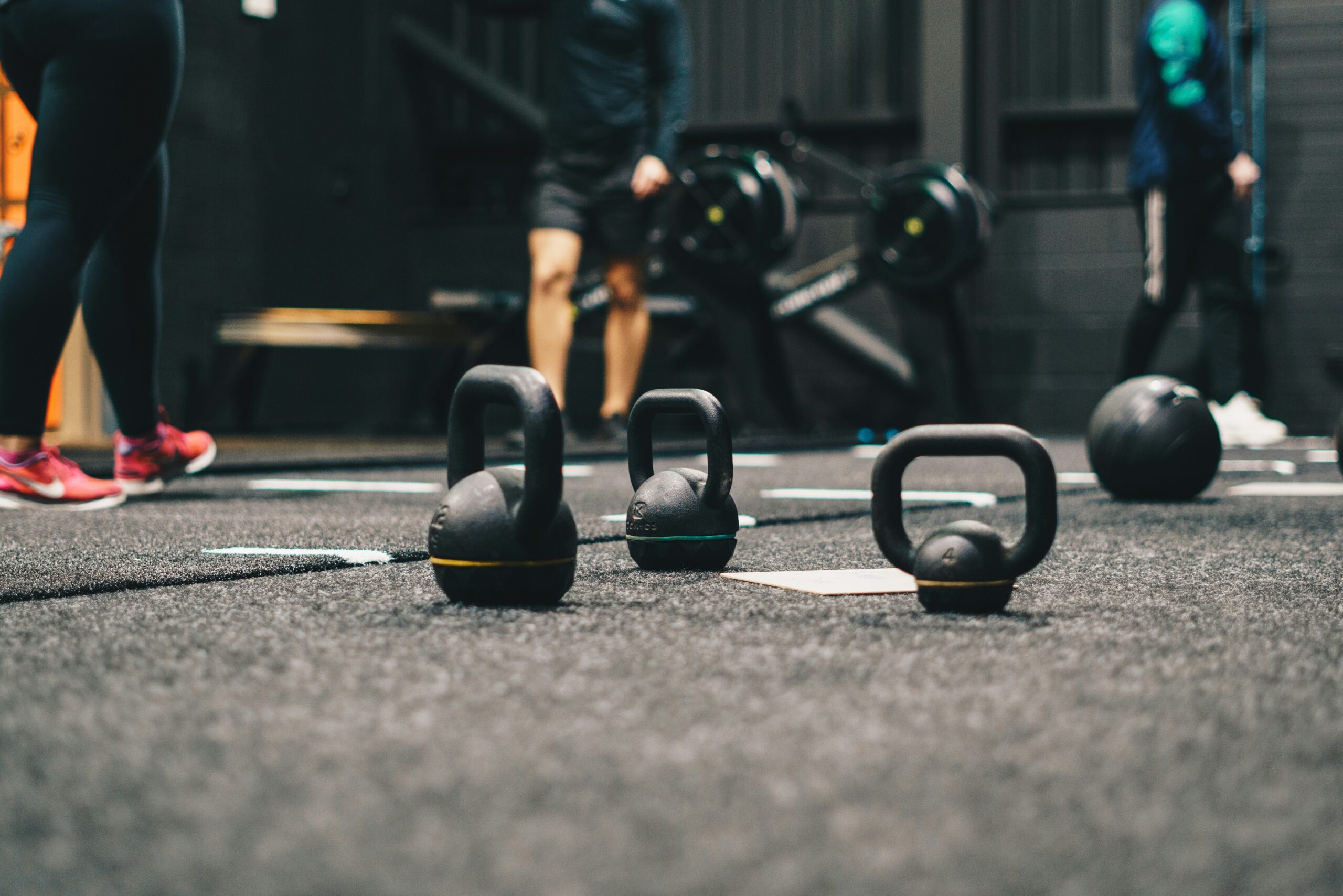
Staying active is one of the best ways to support your physical health, energy, and overall quality of life. However, building a habit that lasts can be harder than completing a single workout. A well-planned fitness routine can make regular exercise feel more manageable and rewarding. Instead of visiting the gym without a plan, you can follow a simple structure that helps you stay focused and make steady progress.
Why a Regular Gym Routine Matters
Consistency plays an important role in fitness. You do not need to complete extremely difficult workouts every day to see benefits. In fact, a realistic schedule that you can maintain is usually more useful than an intense plan that you abandon after a few weeks. Regular gym visits can help you improve strength, endurance, mobility, and cardiovascular fitness. Exercise can also support better sleep and provide a healthy way to manage everyday stress. Over time, the gym may become a normal part of your weekly schedule rather than something you constantly have to convince yourself to do. A routine also gives your workouts a purpose. When you know which exercises you plan to complete, you can spend less time deciding what to do and more time moving.
Set Goals You Can Actually Follow
Before creating a gym schedule, think about what you want to accomplish. Your goal could be improving strength, increasing endurance, becoming more active, or simply feeling healthier. Try to make the goal specific and realistic. For example, instead of saying that you want to exercise more, decide that you will visit the gym three times each week. That gives you a clear target. Your goals can change as you progress. Someone who starts by exercising twice a week may eventually feel comfortable adding another workout. However, there is no need to rush. Building a sustainable habit should come before creating an overly demanding schedule.
Create a Balanced Workout Plan
A balanced fitness routine usually includes several types of activity. Strength training helps develop and maintain muscles, while cardiovascular exercise challenges your heart and lungs. Mobility and flexibility exercises can also support comfortable movement. Strength workouts can include movements such as squats, lunges, rows, presses, and hip hinges. Depending on your experience and preferences, you can perform these movements with machines, dumbbells, resistance equipment, or your own body weight. Cardio offers plenty of choices as well. Walking on a treadmill, cycling, rowing, climbing stairs, and using an elliptical machine can all increase your heart rate. Choosing activities you enjoy can make it easier to exercise consistently. You do not have to include everything in every gym session. Instead, spread different activities across your week.
Start With a Proper Warm-Up
It can be tempting to walk into the gym and immediately begin your hardest exercise. However, spending a few minutes warming up can help prepare your body for the session. Start with light movement. You might walk on a treadmill, pedal a stationary bike, or use an elliptical at an easy pace. Then, add movements related to the exercises you plan to perform. For example, if your workout includes squats, you might practice a few controlled bodyweight squats first. If you plan to lift weights, beginning with lighter resistance can help you prepare for heavier working sets. A warm-up does not need to become a workout of its own. Its main purpose is to help you transition into more demanding activity.
Focus on Good Exercise Technique
Using proper form should be a priority, especially when you are learning new exercises. Poor technique can make movements less effective and may increase the chance of injury. Begin with a resistance level that allows you to control the movement. Avoid choosing heavier weights simply because someone nearby is lifting more. Everyone has different experience levels, abilities, and goals. Gym machines can be useful for beginners because they often guide your movement through a defined path. Free weights can also be valuable, but learning the technique first is important. If you are uncertain about an exercise, consider asking a qualified fitness professional for guidance. Learning the movement correctly early on can help you develop better habits.
Make Strength Training Part of Your Week
Strength training is an important part of an active lifestyle. You do not need to become a competitive weightlifter to benefit from resistance exercise. A simple strength workout can focus on major muscle groups throughout your body. Exercises might target your legs, back, chest, shoulders, arms, and core. Compound movements are especially useful because they involve several muscles at the same time. When following your gym routine, give your muscles enough time to recover between demanding sessions. Training the same muscles intensely every day is generally unnecessary. You can also gradually increase the challenge as exercises become easier. For instance, you might add a small amount of weight, perform another repetition, or improve your control. Gradual progress can be more sustainable than making large jumps in difficulty.
Include Cardio Without Making It Complicated
Cardiovascular exercise does not have to mean running for an hour. There are many ways to increase your heart rate at the gym. Beginners may start with brisk walking for 15 to 30 minutes. Cycling and elliptical workouts are other approachable options. As your endurance improves, you can gradually increase the duration or intensity. You can also use intervals. For example, alternate a faster pace with a slower recovery pace. The intensity should match your current fitness level rather than someone else’s. Most importantly, choose cardio activities you are willing to repeat. Enjoyment can make consistency much easier.
Give Your Body Time to Recover
Exercise creates a physical challenge, while recovery gives your body time to adapt. Therefore, rest should be considered part of your fitness plan rather than a sign that you are doing less. Try to get adequate sleep and pay attention to how your body feels. Some muscle soreness after an unfamiliar workout can occur, but sharp or persistent pain should not simply be ignored. Recovery days do not always require complete inactivity. Light walking, gentle stretching, or other comfortable activities can keep you moving without turning every day into a demanding training session. Nutrition and hydration matter as well. Eating balanced meals and drinking enough fluids can support your everyday activity and workout recovery.
Track Progress Beyond the Scale
Body weight is only one possible measurement of fitness progress. In many cases, other changes can provide more useful motivation. For example, you might notice that you can walk longer without becoming tired. Perhaps you can complete more repetitions, lift a heavier weight with good technique, or recover more quickly between exercises. Keep a simple workout record if tracking motivates you. Write down exercises, weights, repetitions, or cardio duration. After several weeks, those notes can show improvements that are easy to overlook from day to day. Progress can also include better consistency. Completing your planned workouts for a month is an achievement even if you have not reached your long-term goal yet.
Make Gym Visits Easier to Maintain
One of the biggest challenges is fitting exercise into everyday life. Instead of depending entirely on motivation, make gym visits convenient.
Choose workout days ahead of time. Packing your gym clothes before work or keeping essential equipment ready can remove small barriers. You can also choose a time of day that works naturally with your schedule. Your workouts do not have to be extremely long. A focused 30- or 45-minute session can still provide meaningful activity. On busy days, completing a shorter workout may be better for consistency than skipping exercise because you cannot fit in a long session. Another helpful approach is having a backup plan. If the gym is crowded and your preferred machine is unavailable, know which alternative exercise you can perform.
Avoid Comparing Your Progress With Others
Gyms bring together people with very different backgrounds. Someone beside you may have trained for ten years, while another person may be completing their first workout. Comparing yourself with them can distract you from your own progress. Instead, compare your current performance with where you started. Social media can create similar pressure. Fitness content often highlights impressive results without showing the years of work, individual circumstances, or setbacks behind them. Your fitness routine should fit your abilities, goals, and lifestyle. Sustainable progress does not need to look impressive to anyone else.
Keep Your Routine Flexible
Life does not always follow a perfect schedule. Work deadlines, family responsibilities, travel, and other commitments can interrupt your normal gym routine. Missing one workout does not erase your previous effort. Instead of trying to compensate with an excessively difficult session, simply return to your normal schedule when possible. You can also adjust your plan as your circumstances change. Perhaps three weekly gym sessions work well during one season, while two sessions are more realistic during another. Flexibility can help you stay active over the long term. Eventually, maintaining an active lifestyle becomes less about completing a perfect schedule and more about repeatedly returning to healthy habits.
Build a Gym Habit That Lasts
A successful fitness routine does not need complicated exercises or exhausting daily workouts. Start with realistic goals, create a balanced schedule, use proper technique, and allow enough time for recovery. Then, increase the challenge gradually as your strength and endurance improve. Consistency matters more than perfection. A sustainable gym plan should work with your life rather than constantly compete against it. By keeping your workouts enjoyable and tracking meaningful progress, you can turn an active routine into a habit that supports your health for years to come.