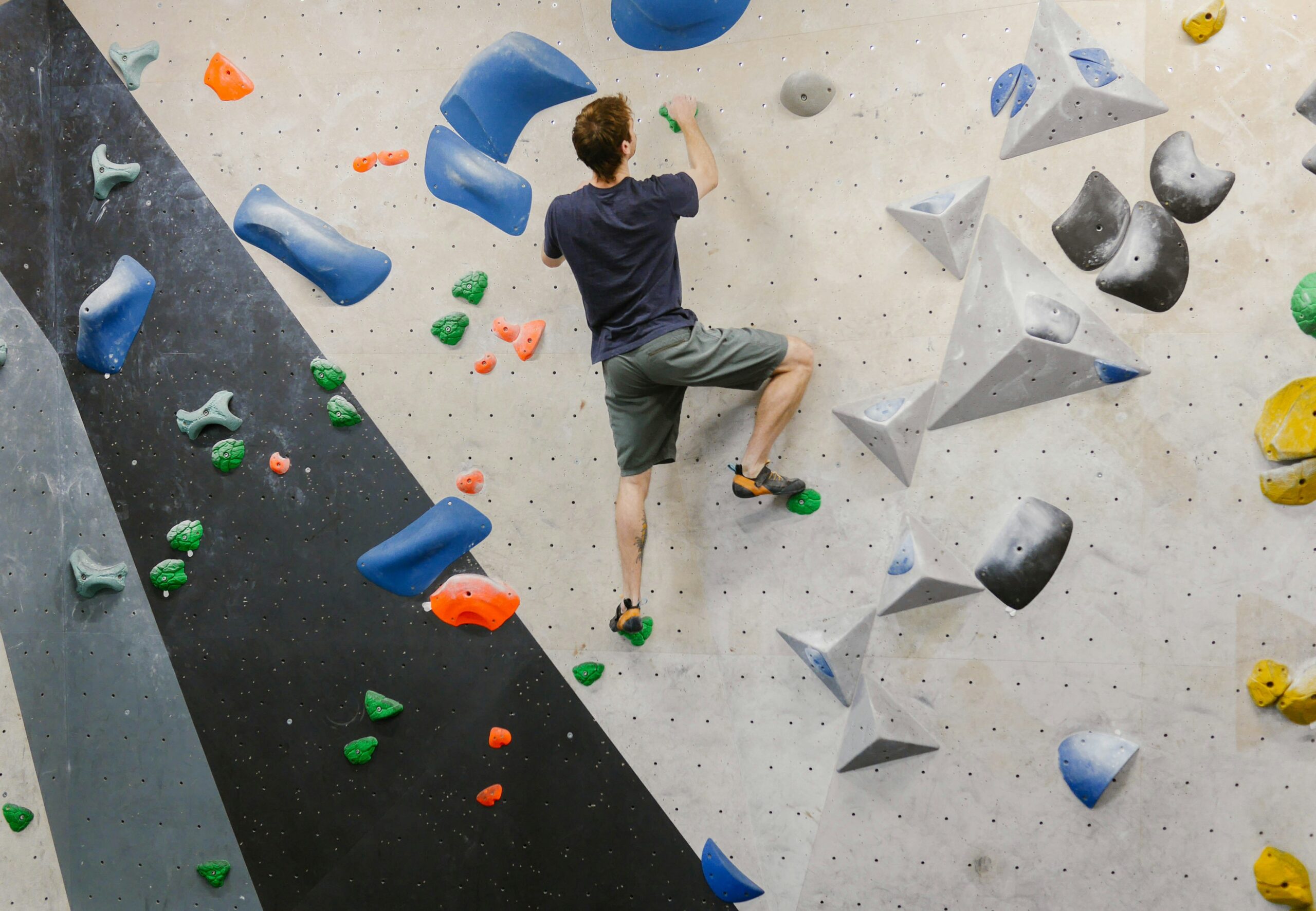
Indoor rock climbing is one of those activities that looks more intimidating than it really is. From the outside, tall walls and hanging routes may seem like something only trained athletes can handle. Once you try it, you quickly realize it is built for beginners as much as for experienced climbers.
It is a simple activity at its core. You move up a wall using marked holds placed for your hands and feet. The goal is not speed or competition at the beginning. The real focus is learning how your body moves, how you stay balanced, and how you stay calm while solving small physical challenges step by step.
What Indoor Rock Climbing Really Is
Indoor rock climbing is a controlled way to experience climbing without the risks of outdoor environments. The walls are designed with safe landing systems and clearly placed holds. Everything is set up to help you learn steadily and comfortably.
You do not need prior training or high fitness levels to start. The activity is built so that anyone can try it. You simply follow the path on the wall using your hands and feet. Over time, your body begins to understand how to move more smoothly and with less effort.
What makes it special is the mix of movement and focus. You are not just using strength. You are also thinking, adjusting, and planning each small step. This combination makes every climb feel engaging and rewarding, even when it is challenging.
How Your First Session Usually Works
Your first indoor climbing session usually starts with a simple introduction. The staff explain how the wall works and show you how to use basic safety equipment. Everything is explained calmly and easily so you can feel comfortable before you begin. After that, you step onto the wall at your own pace. There is no pressure to perform. You start with easier routes that help you understand how to place your hands and feet. At first, each move may feel unfamiliar, but that feeling changes quickly as you get used to the wall.
You will also notice that breaks are normal. You can stop whenever you want, rest, and then continue. This makes the experience flexible and beginner-friendly. Many first-time climbers are surprised by how relaxed the environment feels once they start moving. The key idea in your first session is simple. You are there to explore, not to achieve perfection. Every small movement teaches you something new about balance, timing, and confidence.
Learning Movement in a Simple Way
Indoor rock climbing teaches movement in a very natural way. Instead of rushing, you learn to slow down and focus on each step. Your hands and feet begin to work together as you figure out the best way to move upward. At first, you may rely more on your arms than your legs. This is common for beginners. Over time, you learn to use your legs to support your weight, which makes climbing feel easier and smoother. Small changes in body position can make a big difference in how far you can go.
Balance is another important part of learning. Staying close to the wall helps you feel more stable. As you practice, you begin to understand how shifting your body even slightly can help you reach the next hold more comfortably. This learning process feels very natural. There are no strict rules to memorize. You simply try, adjust, and improve with each attempt. That is what makes indoor climbing so easy to pick up and enjoy from the beginning.
Building Strength Without Realizing It
One of the most interesting parts of indoor rock climbing is how it builds strength without feeling like a traditional workout. You are not lifting weights or following a strict exercise routine. Instead, your body strengthens itself through movement. Your arms, legs, and core all get involved as you climb. Even short sessions can help you feel more active and energized. Over time, your body becomes better at handling longer climbs with less effort.
What makes this process special is that it feels natural. You are focused on reaching the next hold, not on training specific muscles. Because of this, many people do not even realize how much stronger they are becoming until they look back after a few weeks of practice. This steady improvement keeps the activity interesting. Every visit to the climbing wall feels a little easier than the last. That sense of progress encourages you to keep going without forcing yourself.
Overcoming Fear and Building Confidence
Indoor rock climbing also helps you gently face fear. At first, climbing even a short distance off the ground can feel uncomfortable. This is a normal reaction, and it fades as you become more familiar with the environment. As you continue, you begin to trust the equipment, the wall, and your own movement. You realize that each step is controlled and safe. This understanding slowly replaces hesitation with confidence.
There is also a strong emotional benefit. Each time you complete a climb, even a small one, you feel a sense of achievement. This builds confidence not just in climbing, but in other parts of life as well. The process teaches patience. You learn that it is okay to pause, rethink your next move, and try again. This calm approach helps reduce pressure and makes challenges feel more manageable.
Making Progress and Staying Consistent
Progress in indoor rock climbing happens gradually. You may not notice big changes after a single visit, but over time, your movement becomes smoother and more controlled. Routes that once felt difficult start to feel easier. Consistency plays a big role in this improvement. Each session builds on the last one. Even if you climb only once a week, your body and mind continue to adapt. This slow and steady growth is what makes climbing so rewarding.
You also start to develop personal goals. These goals are simple and flexible. It might be reaching a slightly higher point or completing a route without stopping. Each small goal keeps you motivated and focused. The most important part of staying consistent is enjoying the process. When you focus on the experience rather than the outcome, climbing becomes something you look forward to. That enjoyment is what keeps you coming back and moving forward.
Indoor rock climbing is not just about reaching the top of a wall. It is about learning how to move with control, building strength naturally, and growing confidence step by step. It offers a calm but powerful way to challenge yourself without pressure. Starting may feel uncertain, but once you take that first climb, the experience becomes clearer and more enjoyable. With each visit, you rise a little higher, both on the wall and in your own sense of ability.