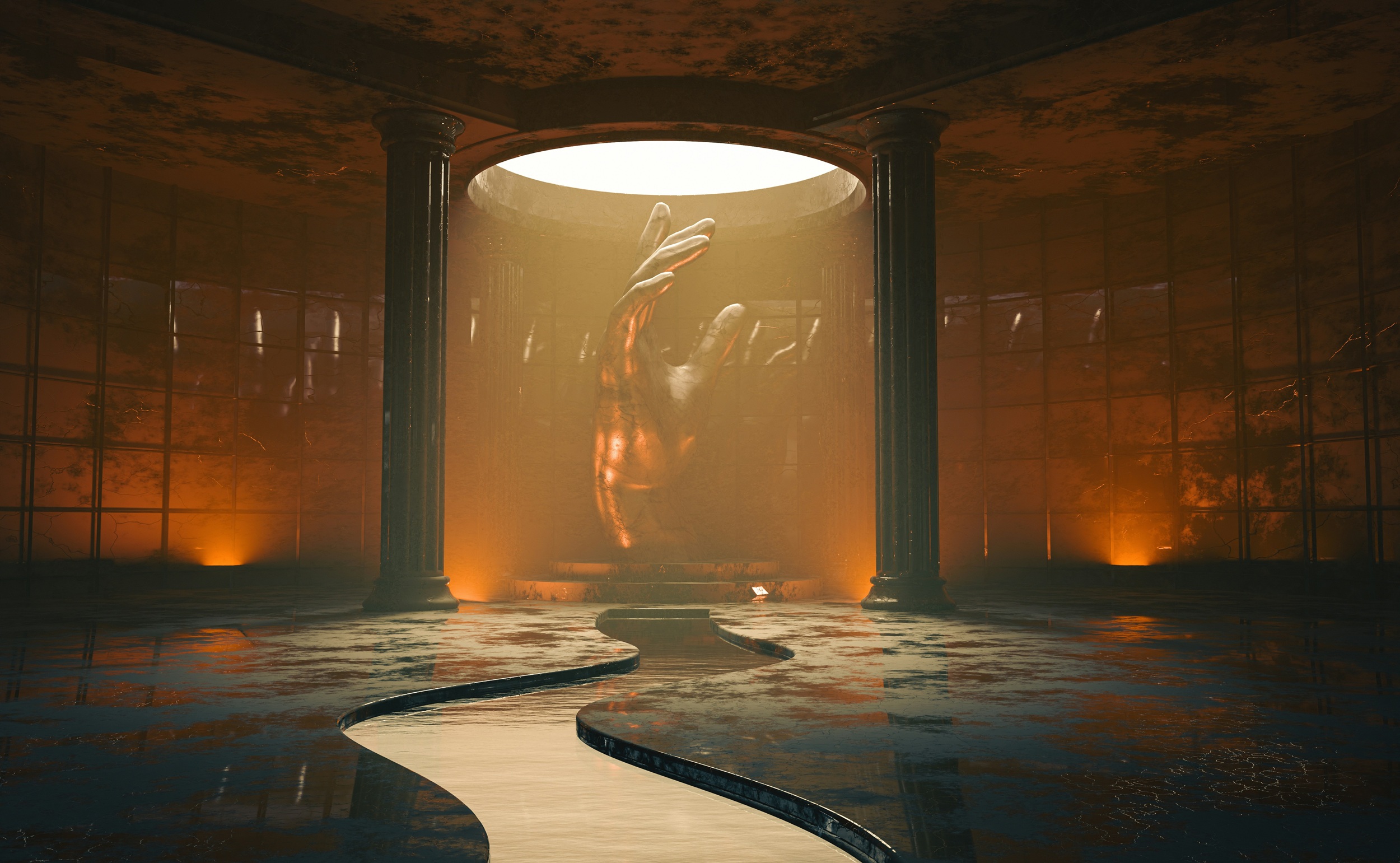
Epic Fantasy has a rare ability to pull readers into worlds that feel larger than life, where magic, myth, and destiny shape every corner of existence. Because these stories build entire universes with their own rules, cultures, and histories, readers often feel like they step outside their everyday reality and into something entirely new and vivid. As a result, the experience goes beyond reading and becomes a deep form of mental escape that reshapes how we imagine storytelling itself.
The Pull of Epic Fantasy Worlds
Epic Fantasy creates an immediate sense of scale that most genres struggle to match. From the first page, readers encounter vast kingdoms, ancient prophecies, and layered histories that feel alive and detailed. Because these worlds operate according to their own logic, the mind naturally accepts them as complete realities rather than mere fictional settings.
Furthermore, authors of Epic Fantasy carefully design geography, politics, and culture to mirror real human complexity. As a result, readers do not just observe the world; they explore it mentally as if they are traveling through a real place. This deep level of construction strengthens immersion and makes every scene feel meaningful and grounded.
At the same time, Epic Fantasy uses continuity and long-form storytelling to deepen this effect. Since events unfold over time and across multiple characters, readers gradually lose the sense of reading isolated chapters. Instead, they feel as if they are living through an ongoing history that extends beyond the page.
Immersive Storytelling and Emotional Depth
Epic Fantasy becomes powerful when storytelling connects emotional depth with large-scale adventure. Characters often face life-changing decisions, moral struggles, and emotional losses that feel personal and relatable. Because of this, readers invest emotionally in the journey, which increases the sense of immersion.
In addition, Epic Fantasy often builds character growth slowly, allowing readers to witness transformation over time. As a result, the emotional bond between reader and character grows stronger with each chapter. This connection makes the fictional world feel more real because emotions anchor the imagination.
Moreover, transitions between action, reflection, and discovery keep the reader engaged without breaking immersion. However, the emotional depth does more than entertain; it creates a psychological link between the reader’s experience and the story’s events. Therefore, the boundary between fiction and reality becomes less distinct as the narrative progresses.
Myth, Magic, and World-Building Power
Epic Fantasy relies heavily on myth and magic to build its sense of wonder. These elements do not just serve as entertainment tools; they shape the foundation of the world itself. Because magic systems often follow structured rules, they feel believable and consistent within the story’s universe.
Furthermore, mythology in Epic Fantasy gives history and meaning to everything within the world. Ancient wars, forgotten gods, and legendary heroes create a sense of depth that extends far beyond the main plot. As a result, readers feel like they are entering a world with a long memory and a living past.
In addition, world-building in Epic Fantasy often connects geography, culture, and belief systems into one unified experience. Meanwhile, magic influences politics, society, and even identity within these worlds. Therefore, readers feel surrounded by a fully functioning reality rather than a simple fictional backdrop.
Why Readers Lose Track of Reality
One of the most fascinating effects of Epic Fantasy is how easily readers lose awareness of time and surroundings. Because the storytelling demands attention and imagination, the mind becomes fully absorbed in the fictional world. As a result, external reality fades into the background.
Moreover, long narrative arcs encourage sustained focus, which strengthens immersion over time. When readers follow multiple storylines, their attention becomes deeply anchored in the unfolding events. Therefore, even short reading sessions can feel like stepping into another dimension.
In addition, emotional engagement plays a major role in this experience. Because readers care about outcomes, their brains treat fictional events as meaningful. However, this emotional involvement is what makes Epic Fantasy feel so real, even though the reader knows it is imaginary.
The Lasting Impact of Epic Fantasy on the Mind
Epic Fantasy does more than entertain; it leaves a lasting impression on imagination and thought patterns. After finishing a series, readers often continue thinking about the world, characters, and themes. Because the story feels so complete, it remains active in memory long after the final page.
Furthermore, Epic Fantasy encourages creative thinking by expanding readers’ understanding of possibility. Since these worlds often break normal physical or social rules, they inspire flexible thinking. As a result, readers begin to imagine new ideas in their own lives more readily.
In addition, the emotional and imaginative experience often shapes personal reflection. However, the impact is not just temporary escape; it becomes part of how readers interpret stories and reality itself. Therefore, Epic Fantasy continues to feel real even when the book is closed, because it reshapes how the mind processes narrative and imagination.